



Program History
The ACM Field Museum Semester was an intensive research and course-based experience for upper-level students interested in natural history research with a background in evolutionary biology, zoology, botany, anthropology, geology, and/or a related discipline. The program offered the opportunity for students to explore scientific research and the Field Museum collections through a substantive internship, a semester-long course taught by the Visiting Faculty Director, and a seminar led by Field Museum professional staff. Internships were funded by the Grainger Bioinformatics Center, which supports Field Museum scientists working on genomics and biodiversity informatics projects across research areas.
The Field Museum
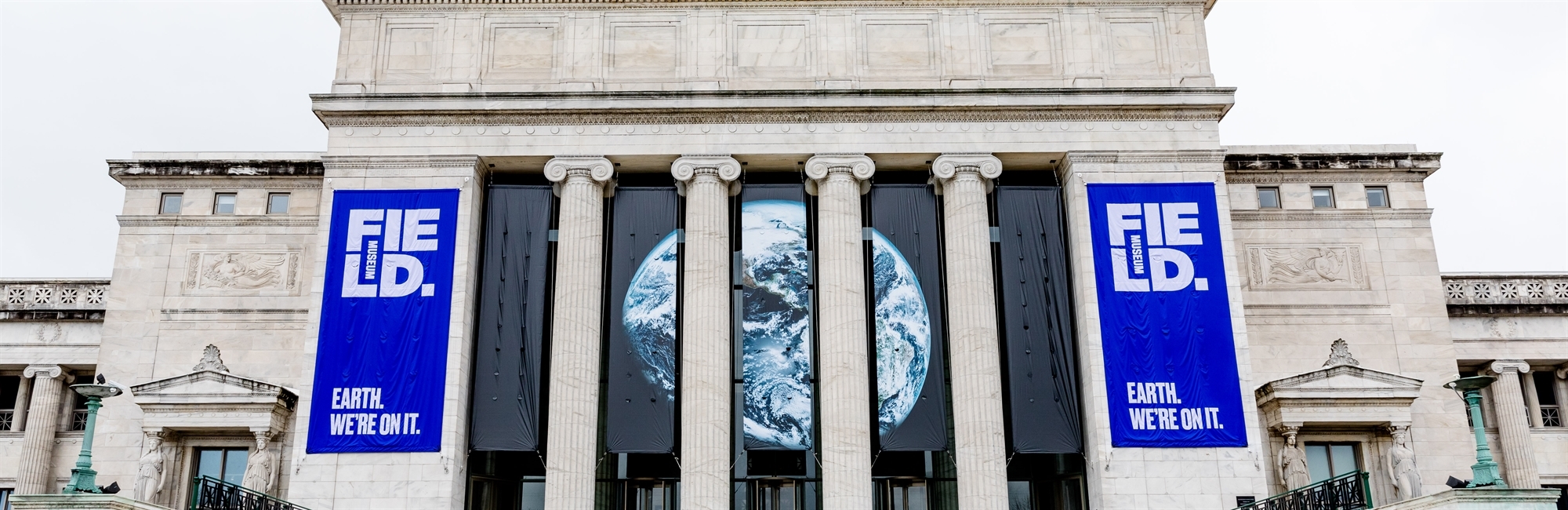
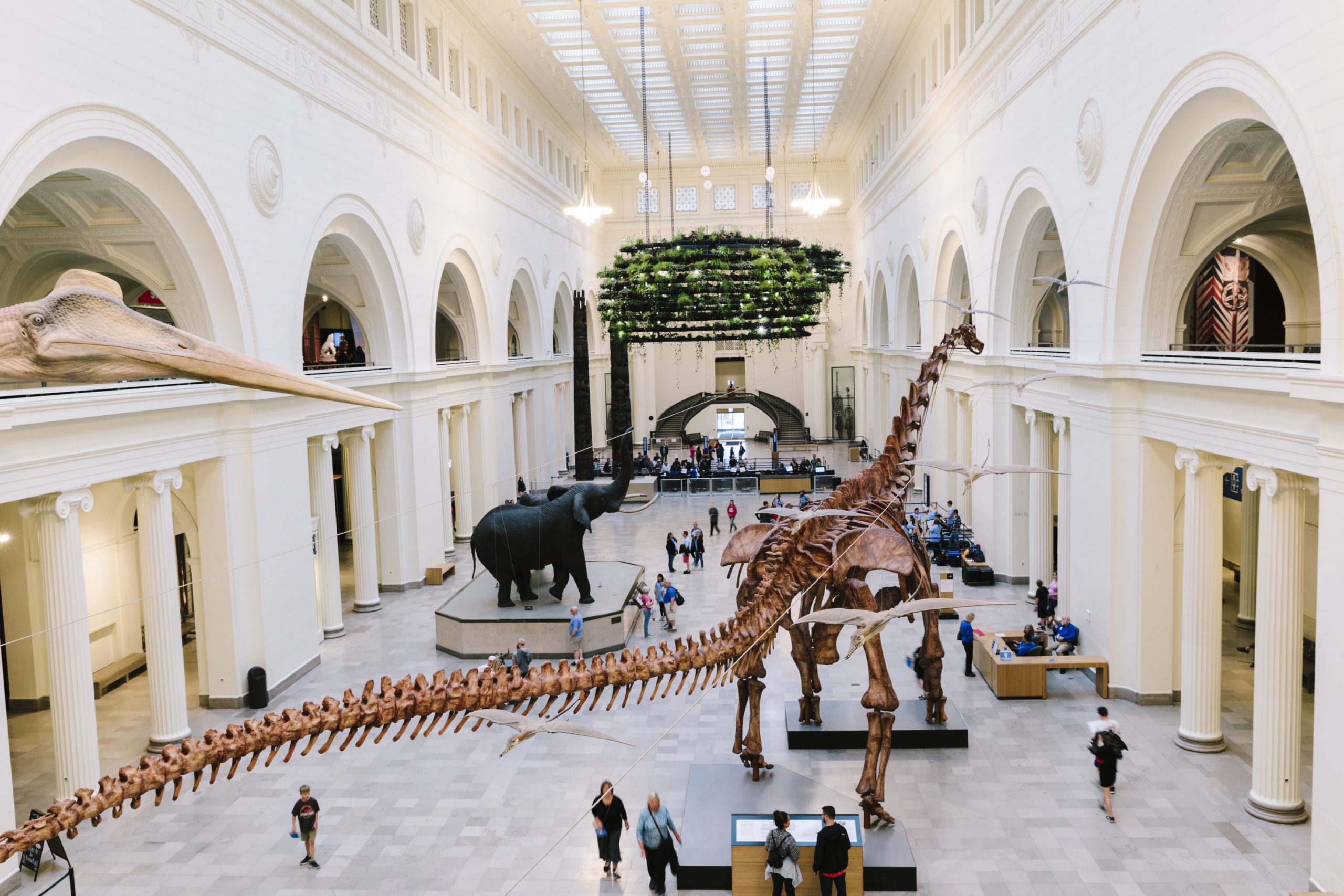
The Field Museum is home to more than 150 scientists and researchers and nearly 40 million artifacts and specimens. The collection grew out of items on display in the 1893 World’s Columbian Exposition, and the Field Museum opened in 1894. According to its mission statement, “The Field Museum fuels a journey of discovery across time to enable solutions for a brighter future rich in nature and culture.” The Field Museum community works to research objects in the Museum’s collections, document previously unknown species, conserve ecosystems, craft exhibitions, educate budding scientists, invite cross-cultural conversation, and more.
For more information, please visit the Field Museum website.

Questions?
Michael Vertovec, Associate Program Manager
180 N. Michigan Ave., Suite 2020, Chicago, IL 60601
312.561.5934 / mvertovec@acm.edu
Off-Campus Study Programs
Browse Off-Campus Study Opportunities: ACM Shared Programs | Japan Study | River Semester