
Courses
All courses are taught at the ACM office in Pune.
Contemporary India
Required course, 4 semester credits
This core course introduces students to contemporary India – its culture and society, the current politics, political economy, and foreign relations. The course deals mainly with current events in India, using a historical perspective as a point of reference. The course consists of structured classroom lectures and discussion, supported by an assortment of reading material. Guest lectures on topics such as Art, Architecture, Music, Yoga, and Performing Arts give students an introduction to a broad cross-section of Indian culture and society. In addition, students spend time outside of the classroom learning experientially, through a variety of field trips that complement the learning taking place in the classroom.
Marathi Language
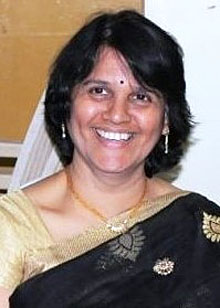
Instructor: Dr. Sucheta Paranjpe (ACM India Program Director, retired university professor of languages) and Sunila Gondhalekar
Required course, 6 semester credits
|
|
| ACM students visiting a local vegetable market as part of their Marathi language class |
Marathi is the primary language spoken in the city of Pune, and the state of Maharashtra. With twenty-two officially recognized languages throughout India, in additions to hundreds of local languages and dialects, it is imperative that students gain an understanding of the language native to the city in which they will be living. This intensive class in Marathi language gives students a broad overview of the language, with a particular emphasis on spoken communication, to facilitate communication with host families and people within the community. Field trips to locations such as a local vegetable market, along with guest speakers who speak only Marathi, add an experiential component to the classroom learning. The Marathi course will begin during the three-week orientation, meeting two hours each day, and continue throughout the twelve-week semester, when it will meet for ninety minutes each day.
Independent Study Project
Required course, 4 semester credits
Throughout the semester, students devote substantial thought and effort to completing an independent study project. Students have the opportunity to conduct research in their chosen field, both academically and experientially. Research may be conducted in most fields in the natural sciences, social sciences, and humanities. Highly qualified Indian advisors - faculty members from academic institutions in Pune as well as local professionals and artists - guide students in their research. Guest lecturers on the subject of research methodology further enhance student preparation for their project. Every Friday students will meet with Dr. Sucheta Paranjpe to report on their weekly progress and discuss any issues that may arise. At the end of the program, students present their independent study projects.
Three elective courses, of which students select one, meet throughout the semester. They are:
Modern Indian Literature (New course in Fall 2010)
Elective course, 4 semester credits
In this course, students will read from a selection of novels and short stories by Indian authors writing in India and from abroad. Class discussions will cover the socio-political issues raised in the texts, the literary techniques employed by the authors, and students’ responses to the material. Authors to be studied include R.K. Narayan, Salman Rushdie, and Jhumpa Lahiri. Students will also be asked to write a series of short papers about the reading assignments.
Indian Film and Culture (New course in Fall 2010)
Instructor: Samar Nakhate
Elective course, 4 semester credits
Indian cinema is a broad and fascinating medium, reflecting both traditional Indian cultures and norms and modern-day society and practices. Indian films often tell stories and use the performing arts—notably song and dance—to advance the story line. In this course, students will study the ways in which Indian films depict multiple layers of narration interwoven with performing arts traditions, reflecting not only the rapidly changing aspects of modern Indian life and beliefs, but also the past, during pre-colonial and colonial times. Among the recurrent themes of Indian cinema which we will discuss are the relationship between the individual and family, compromises between the old and the new, and the ways in which beliefs and faiths are expressed on the screen.
India: An Environmental Perspective
Instructor: Arundhati Vishwasrao
Elective course, 4 semester credits
In this course, students explore a wide range of topics concerning both physical and cultural environmental issues affecting India today. Environmental problems such as the depletion of natural resources, environmental pollution, flooding and droughts, population issues, and urbanization are key topics of discussion throughout the course. Students examine India as a hotspot of biodiversity, exploring issues in environmental management, wildlife, and conservation practices. Additionally, the relationship between people and the environment is examined from moral, ecological, religious, economic, and historical perspectives. Discussions focused on regional environmental issues help students take broader environmental themes and apply them to local issues and policies. Throughout the course, students participate in numerous trips to field and wildlife locations, as well as make visits to various non-governmental organizations (NGOs) involved with environmental issues.
A local newspaper article about ACM India students getting involved in an environmental project in Pune.